Fun Activities for Kids to Celebrate America 250
On July 4, 2026, the United States turns 250 years old — and that's one seriously big birthday party. This anniversary is the perfect time to teach children about the important history of this country in a respectful and enjoyable way. Here are ideas for making America's semiquincentennial a day your kids will never forget.

Read the Real Stories (Then Act Them Out)
Before the fireworks, gather around and tell the story — not the dry textbook version, but the exciting one. Did you know the men who signed the Declaration of Independence were doing something so dangerous it could have gotten them killed? That soldiers at Valley Forge kept fighting through a brutal winter without proper boots? History is full of stories as gripping as any movie. Read them aloud, then let younger kids act out a scene: who wants to play George Washington? Who's King George?
Craft Your Own Declaration

Have each child write their own mini Declaration — what do they believe everyone deserves? Life, liberty, and...the freedom to stay up late on holidays? It's a fun writing prompt that quietly teaches a big idea. Hang them up alongside some red, white, and blue decorations and read them aloud before dinner.
Host a Backyard History Trivia Contest
Split into teams and run a July 4th trivia game. How many original colonies were there? Who wrote the Declaration of Independence? What year did women get the right to vote? Mix the founding era questions with ones from across America's 250 years — including more recent history. You can find free printable trivia sets online, or make your own with a little research.
Go to a Local Ceremony (and Get There Early)
Semiquincentennial events are happening in communities across the country this summer. Look up what's happening near you — town hall readings of the Declaration, reenactments, concerts, naturalization ceremonies. Attending a citizenship ceremony is especially meaningful for children: watching people from around the world choose to become Americans is a genuine reminder of what this country represents to the rest of the world.
Cook Through American History
Every region of America has its own food traditions, many of them tied to history and culture. Make a meal that travels the country: New England clam chowder, Southern cornbread, Texas-style BBQ, a Hawaiian dessert. Let the kids research one dish each and present it at the table. "This is johnnycake — it's what Colonial soldiers ate because it was cheap and easy to carry."
Start a "250 Things I Love About America" Jar
Set out a mason jar and a stack of slips of paper before the Fourth. Over the week leading up to the holiday, have everyone in the family write things they're grateful for about living in America — big things, small things, silly things. Read them all out loud on July 4th before the fireworks. It's a great way to prompt genuine reflection without it feeling like homework.
Fly the Flag With Intention
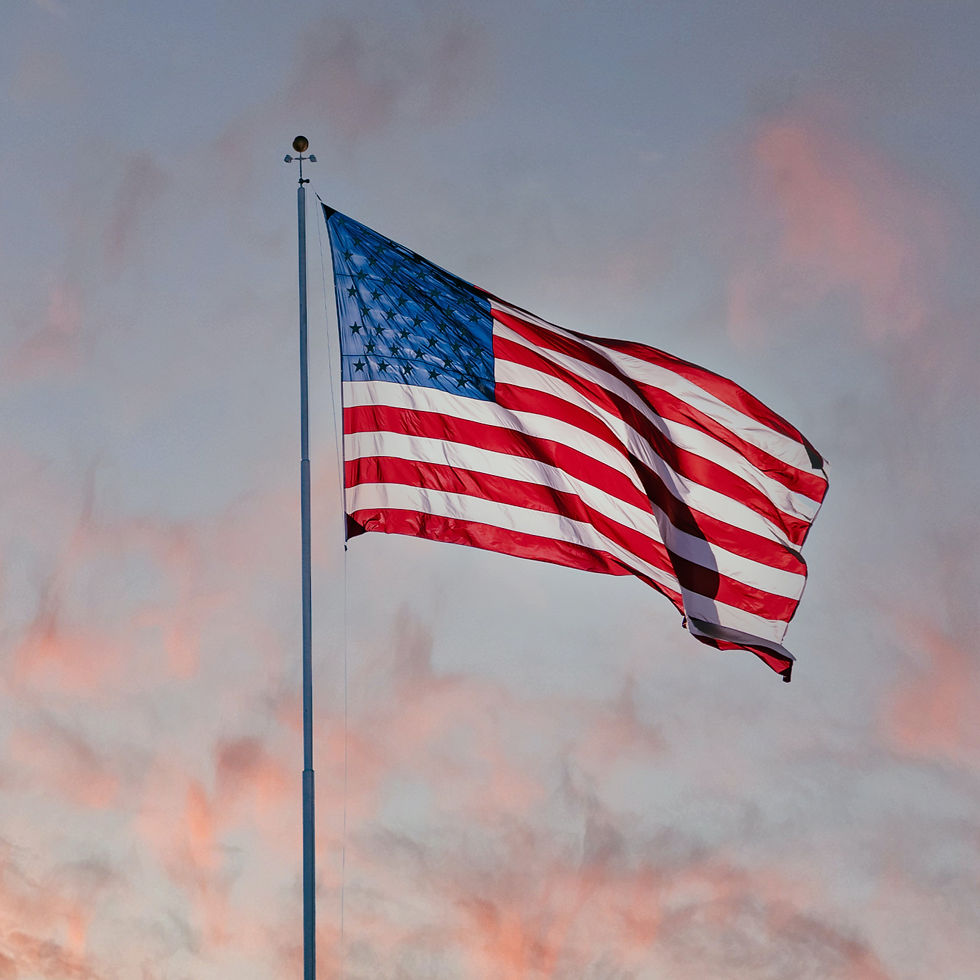
If you have a flag, fly it — and explain why. Show kids the right way to display and fold it. Talk about what the stripes and stars represent. For children who are hands-on learners, folding a flag together (there's a traditional 13-fold method) is a memorable activity that carries real meaning.
Remembering 250
Celebrating the semiquincentennial is a crucial time to teach children how to appreciate and acknowledge America’s history. Loving this country means understanding the moments to be proud of, as well as the ones to learn from.
America's 250th birthday is a rare moment. The celebrations we create for our children this summer become the memories they carry forward — and the stories they'll one day tell their own kids. Raising a child to recognize the nuances of America’s history means they can become a better patriotic citizen.
In thirty years, the children sitting beside us at the fireworks this summer will be the ones deciding how America celebrates its 280th birthday, its 300th, and beyond. The values we instill now will travel with them.


