Write a Letter to America
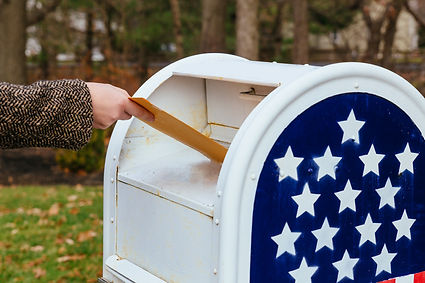
There is a long American tradition of writing letters to the future. Thomas Jefferson wrote them. Soldiers wrote them home from battlefields. Ordinary people have been dropping them into time capsules at school dedications and town hall cornerstone ceremonies for two hundred years.
America turns 250 on July 4, 2026. Writing a letter — to the country, to future Americans, to the child you're raising — is one of the more honest ways to mark it. It asks you to say what you actually think, which is harder and more valuable than any party decoration.
Here is how to do it with kids.
Start with a Conversation
Before anyone picks up a pen, talk through a few questions together. There are no right answers — the point is to surface what your family actually believes before putting it on paper.
What do you love about this country?
What do you wish were different?
What do you want America to look like when you're grown up?
What would you want someone reading this in 2076 to know about 2026?
Younger kids often give the most direct answers to these questions. Write down what they say verbatim. Some of it will be worth keeping exactly as spoken.
Prompts by Age
For younger children (ages 5–8): "Dear America, my favorite thing about you is ___. I hope that when I grow up, ___."
For older children (ages 9–12): "If I could change one thing about America, it would be ___, because ___. The thing I want to protect is ___, because ___."
For teenagers: "Two hundred and fifty years is a long time to keep a promise. Here is what I think we've kept, and here is what I think we still owe."
For parents writing alongside their kids: "The country I'm raising my child in is ___. The country I want them to inherit is ___. Here is what I'm doing about the difference."
Make It Official
America250 has a time capsule program where families and communities can preserve messages to be opened at a future anniversary. It's worth looking into if you want the letter to go somewhere beyond a drawer.
For a lighter-touch version, Our American Story is an America250 program that invites people to share what America means to them. It won't preserve the letter for fifty years, but it connects individual voices to the broader national commemoration.
Keep a Copy
Whatever you send anywhere, keep one. Read it together again on the next July 4. A letter written in 2026 will say something different five years later than it did the day you wrote it — and that gap is worth noticing.
A Note on What the Letters Are Really For
The value of this activity isn't the letter. It's the conversation that produces the letter. A child who has been asked "what do you want America to look like when you're grown up?" has been asked to take the country personally — to see it as something they have a stake in and a responsibility toward. That's a different relationship to citizenship than the one you get from memorizing the three branches of government.
Write the letter. Keep the conversation going after.


